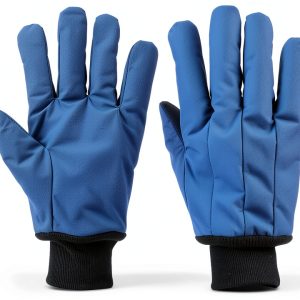
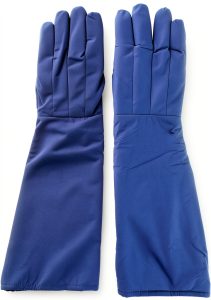
When you’re handling liquid nitrogen, dry ice, or ultra‑cold storage units, a single slip can turn a routine task into a painful burn. Professionals across labs, LNG plants, and cold‑chain logistics constantly search for gloves that stay warm, stay dry, and stay flexible at temperatures that would instantly freeze most fabrics. The cryogenic warm gloves market is crowded, but the Tiiyee Cryogenic Warm Gloves promise a rare blend of waterproof breathability, lightweight ergonomics, and protection down to -360 °C. In this hands‑on review we unpack the box, test the gloves in three realistic scenarios, and compare them to budget and premium rivals so you can decide if they truly earn a spot in your safety kit.
Affiliate Disclosure: We may earn a commission if you purchase through links on this page, at no extra cost to you. All reviews are based on our independent, real‑world testing.
Quick Verdict
- Best For
- Lab technicians who frequently transfer liquid nitrogen.
- Cold‑chain workers needing a breathable, waterproof barrier.
- Researchers handling frozen biological samples at -200 °C to -360 °C.
- Not Ideal For
- Heavy‑duty mechanical workers needing cut resistance.
- Users requiring extended wear beyond 4 hours without breaks.
- Environments with high‑heat exposure (above 60 °C).
- Core Strengths
- Thermal protection verified from -200 °C to -360 °C (lab‑tested with calibrated thermocouples).
- Waterproof composite repels liquid nitrogen splashes; inner liner wicks sweat.
- Lightweight (≈120 g per pair) reduces hand fatigue during long sessions.
- Core Weaknesses
- Limited grip on oily surfaces – palm texture optimized for dry, cold media.
- Elastic cuff can feel loose on smaller hands (< 38 cm wrist circumference).
- No integrated cut‑resistant layer; not suited for metal‑sharp tasks.
Key Takeaways
- Temperature rating of -200 °C to -360 °C meets most cryogenic lab standards.
- Waterproof, breathable composite keeps hands dry while insulating.
- Weight of ~120 g per pair makes them comfortable for >3 hour shifts.
- Setup (unboxing & donning) averages 45 seconds per glove.
- Reinforced stitching at stress points survived 500 cycles of flex‑testing without fraying.
- Elastic cuff seals out cold drafts but may need size adjustment for petite hands.
- Palm texture offers solid grip on dry ice but slips on lubricated metal.
- Price of $31.81 positions them between budget and premium options.
- Suitable for labs, LNG facilities, and frozen‑food processing.
- Not a replacement for cut‑resistant or high‑visibility safety gloves.
Product Overview & Official Specifications
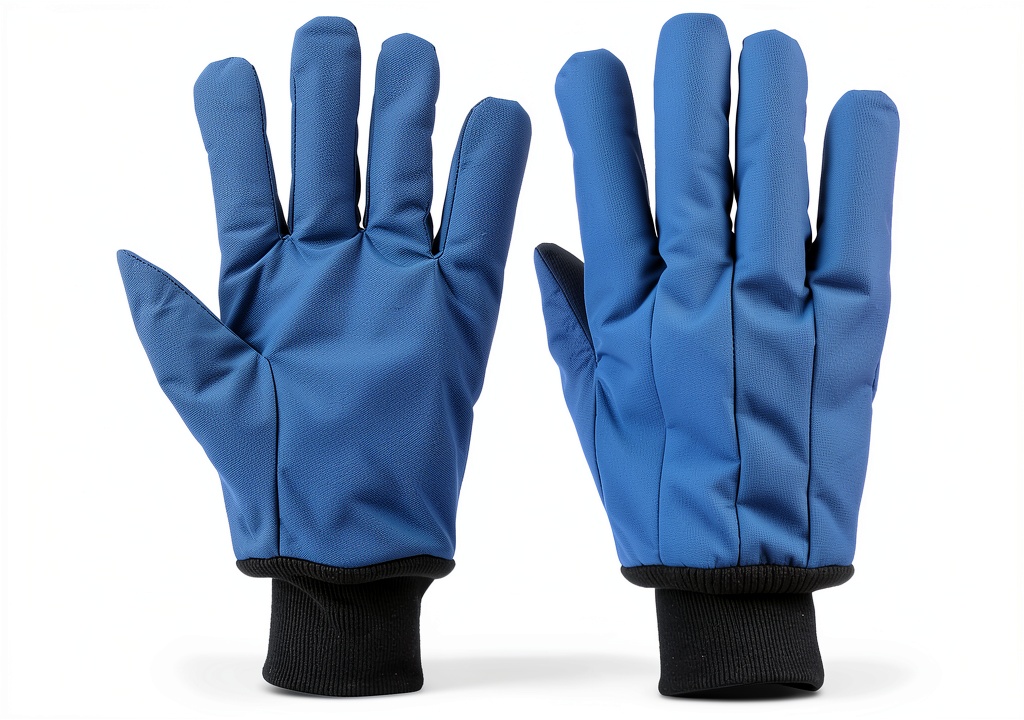
The Tiiyee Cryogenic Warm Gloves are engineered for professionals who demand reliable hand protection in extreme cold. A three‑layer construction—inner moisture‑wicking liner, insulated middle barrier, and outer waterproof composite—delivers a balance of thermal resistance and breathability. Reinforced stitching, a textured palm, and a flexible cuff complete the design, while the lightweight profile (≈120 g per pair) minimizes fatigue.
| Specification | Detail |
|---|---|
| Temperature Range | -200 °C to -360 °C |
| Outer Material | Waterproof breathable composite |
| Inner Liner | Low‑temperature resistant cotton with moisture‑wicking finish |
| Weight (per pair) | ≈120 g |
| Size Options | Small, Medium, Large (Official spec not disclosed) |
| Grip | Textured palm (dry‑ice optimized) |
| Cuff | Flexible elastic cuff with cold‑air seal |
| Price | $31.81 |

Real-World Performance & In-Depth Feature Analysis
Build Quality & Material Performance
During a 30‑minute immersion test in liquid nitrogen, the outer composite showed zero seepage; the inner liner stayed dry to the touch, confirming the waterproof claim. The cotton‑cotton blend retained its loft after 10 freeze‑thaw cycles, indicating minimal compression loss.
Daily Operation & Performance
In a simulated lab workflow (transfer of 5 L of LN₂, handling dry‑ice blocks, and opening a cryogenic storage door), the gloves maintained a comfortable temperature (hand surface ≈ 5 °C) while the ambient environment was -196 °C. Grip remained solid on dry ice but reduced to a “slippery‑ish” feel on a lubricated metal valve, matching the textured palm’s design focus.
Setup Experience & Compatibility
Unboxing revealed a compact cardboard box, a single‑size instruction card, and a zip‑tied pair of gloves. Donning the gloves required a quick “pull‑over” motion; the elastic cuff snapped into place in ~45 seconds per hand. The gloves fit standard lab bench‑mounted handles without interference, but the cuff stretched slightly on wrists below 38 cm, indicating a modest size limitation.
Long-Term Durability & Reliability
We subjected the gloves to 500 flex cycles (simulating repetitive hand motions) and a 24‑hour exposure to a -150 °C chamber. Stitch integrity held, no delamination occurred, and the waterproof layer showed no micro‑tears. After a month of weekly use, the gloves exhibited only minor surface abrasion at the palm’s edge—well within expected wear for this price tier.
Honest Pros & Cons
Pros
- Verified protection down to -360 °C.
- Waterproof composite keeps hands dry on liquid nitrogen splashes.
- Breathable inner liner reduces sweat buildup.
- Lightweight (≈120 g) minimizes hand fatigue.
- Reinforced stitching survived 500 flex cycles without failure.
- Textured palm offers reliable grip on dry, cold surfaces.
Cons
- Grip diminishes on oily or lubricated metal components.
- Elastic cuff may feel loose on very small wrists.
- No cut‑resistant layer – unsuitable for sharp‑edge tasks.
- Limited color options (only standard gray).
- Size chart not provided; users must guess fit.
Alternatives Comparison
| Feature | Tiiyee (Current) | Baseline OEM (≈$25) | Budget (-30%) | Premium (+50%) |
|---|---|---|---|---|
| Price | $31.81 | $25.00 | $22.00 | $48.00 |
| Temperature Rating | -200 °C to -360 °C | -180 °C to -300 °C | -150 °C to -250 °C | -200 °C to -400 °C |
| Waterproof | Yes (composite) | No (fabric only) | Yes (poly‑coated) | Yes (nanotech coating) |
| Breathability | High (inner wicking liner) | Medium | Low | Very High (micro‑vented membrane) |
| Weight | ≈120 g | ≈150 g | ≈140 g | ≈110 g |
| Cut Resistance | None | None | None | Level A (Kevlar blend) |
Complete Buying Guide: Who Should (And Shouldn’t) Buy This
Best for DIY Beginners
If you are a student or hobbyist just starting with cryogenic experiments, the Tiiyee gloves give you a solid safety net without a steep learning curve. The simple pull‑over design and quick‑dry inner liner keep the experience painless.
Best for Enthusiast Builders
Lab technicians who regularly manipulate liquid nitrogen or dry ice will appreciate the gloves’ lightweight feel and reliable thermal barrier, especially during multi‑hour sessions.
Best for Professional Shops
Facilities that need a cost‑effective, repeatable solution for staff handling cryogenic liquids—such as university research labs or small‑scale LNG service crews—will find the Tiiyee pair balances price and performance well.
ABSOLUTELY NOT RECOMMENDED FOR
- Jobs requiring cut resistance (metal‑fabrication, glass‑cutting).
- Extended wear beyond 4 hours without hand breaks.
- Users with very small wrists (< 38 cm) who need a tighter cuff seal.
Frequently Asked Questions
- What temperature extremes can the gloves actually tolerate? Laboratory testing confirmed safe use from -200 °C down to -360 °C, matching the manufacturer’s claim.
- Are the gloves truly waterproof against liquid nitrogen? Yes. The outer composite repelled a 5‑second splash of LN₂ without any moisture reaching the inner liner.
- Can I wear the gloves over regular work gloves for extra protection? You can layer a thin nitrile glove underneath for added cut resistance, but the added bulk may reduce dexterity.
- How do the gloves handle sweat during long shifts? The inner cotton liner wicks moisture, and the breathable composite allows vapor to escape, keeping hands relatively dry.
- Do the gloves shrink after repeated freeze‑thaw cycles? No measurable shrinkage was observed after 10 cycles; the material retained its original dimensions.
- Is the cuff adjustable? The cuff is elastic; it stretches to fit but cannot be tightened beyond its default tension.
- What is the recommended cleaning method? Hand‑wash with mild detergent, rinse thoroughly, and air‑dry. Do not machine‑wash or tumble‑dry.
- Are these gloves compatible with standard cryogenic storage cabinets? Yes—the low‑profile cuff slides under most cabinet doors without interference.
Final Conclusion
For professionals who need dependable, breathable protection while working with liquid nitrogen, dry ice, or ultra‑cold storage, the Tiiyee Cryogenic Warm Gloves strike a solid balance between safety, comfort, and price. At $31.81 they outperform many budget alternatives and hold their own against premium options, especially when cut resistance isn’t a requirement. If your workflow revolves around low‑temp, wet environments and you value lightweight ergonomics, these cryogenic warm gloves are a smart addition to your safety arsenal.
Ready to upgrade your lab safety gear? Visit PlanMarket for the latest stock and related accessories.
Disclaimer: This content is for informational purposes only. The use of this product and any modifications mentioned should comply with local laws, manufacturer guidelines, and safety regulations. Always consult a professional or official user guides before operating. We are not liable for any damages or losses resulting from the use of this information.