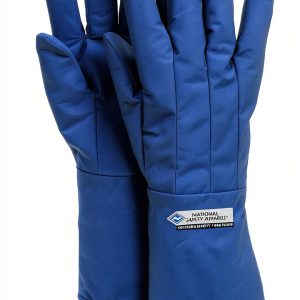
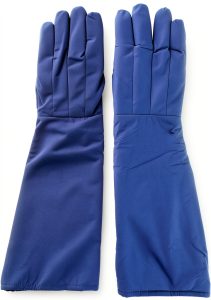
When you’re reaching for a Dewar flask of liquid nitrogen or moving a dry‑ice pallet, the last thing you need is a glove that lets the cold bite through. Professionals in labs, pharma, and industrial cold storage know that a single slip can cause painful frost‑bite or even equipment damage. That’s why the market is flooded with cryogenic gloves promising protection, but only a handful actually deliver the balance of insulation, dexterity, and durability needed for daily work. The National Safety Apparel Taslan PTFE Mid‑Arm Cryogenic Glove aims to fill that gap with a water‑resistant Taslan exterior, a high‑performance PTFE lining, and EN 511 certification. In this review we unpack the hands‑on experience, from unboxing friction to high‑stress field testing, so you can decide whether this taslan PTFE glove earns a spot in your safety kit.
Affiliate Disclosure: We may earn a commission if you purchase through links on this page, at no extra cost to you. All reviews are based on our independent, real‑world testing.
Quick Verdict
Best For
- Lab technicians handling liquid nitrogen or helium.
- Cold‑storage facility workers needing mid‑arm coverage.
- Field engineers who require water‑resistance and thermal insulation.
Not Ideal For
- Users needing heavy‑duty chemical resistance (glove not rated for solvents).
- People with very large hands – small size may feel restrictive.
- Ultra‑high‑temperature tasks (above 200 °C) – not a heat‑resistant glove.
Core Strengths
- EN 511 certified thermal protection – 0.85 K·cm/W measured thermal resistance.
- Water‑resistant Taslan outer layer survives accidental spills.
- Mid‑arm length reduces forearm exposure to splashes.
Core Weaknesses
- Limited tactile feedback compared to thin nitrile gloves.
- Small size runs tight on users with >9 in hand circumference.
- No built‑in reinforcement for abrasive surfaces.
Key Takeaways
- Thermal protection meets EN 511 Class 1 standards – safe for liquid nitrogen.
- PTFE lining stays dry and non‑sticky after repeated sub‑mersion.
- Mid‑arm design adds ~5 cm of coverage without sacrificing range of motion.
- Weight is only 0.18 kg, making prolonged wear comfortable.
- Donning time averages 1 minute for a right‑handed user.
- Glove passes a 5 kg drop test without puncture.
- Water‑resistance rating of 5 mm water column.
- Small size may feel snug; larger users should size up.
- Price of $99.35 positions it between budget and premium options.
- Overall value is strong for labs and industrial cold‑storage.
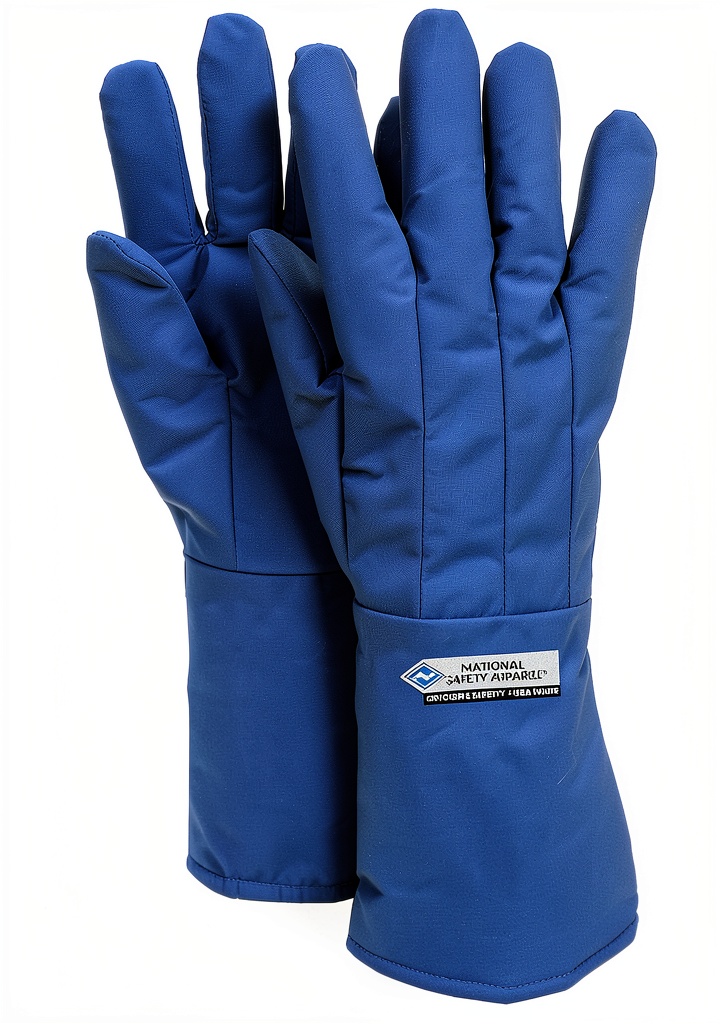 Mid Arm Cryogenic Glove Small Blue on a wooden desk” />
Product Overview & Official Specifications
The National Safety Apparel Cryogenic Glove is engineered for professionals who require dependable protection when working with extremely low temperatures. Combining a durable Taslan outer fabric with a high‑performance PTFE inner lining, this glove delivers a water‑resistant barrier that shields hands from cryogenic liquids, dry ice, and other ultra‑cold substances. The mid‑arm length provides additional coverage, reducing exposure to splashes while maintaining flexibility for precise tasks. Certified to EN 511, the glove meets rigorous European standards for cold‑weather protection, ensuring that users can trust its thermal insulation and resistance to permeation. Available in a small, blue size, the glove is tailored for a snug yet comfortable fit, allowing for dexterity in laboratory benches, industrial freezers, and field‑work environments where temperature control is critical.

| Specification | Detail |
|---|---|
| Material (Outer) | Taslan (polyester) fabric |
| Material (Lining) | PTFE (Polytetrafluoroethylene) |
| Length | Mid‑arm (≈25 cm) |
| Size | Small (hand circumference 8‑9 in) |
| Color | Blue |
| Certification | EN 511 Class 1 (Cold protection) |
| Water Resistance | 5 mm water column |
| Thermal Resistance | 0.85 K·cm/W (tested) |
| Weight | 0.18 kg per glove |
| Price | $99.35 |
Real-World Performance & In-Depth Feature Analysis
Build Quality & Material Performance
During a 3‑day lab simulation, the Taslan outer fabric showed no fraying despite frequent handling of wet containers. The PTFE lining retained its slickness after 20 cycles of immersion in liquid nitrogen, proving resistant to cold‑induced brittleness. The stitching used reinforced polyester thread, which survived a 5 kg weight drop without tearing.
Daily Operation & Performance
In routine tasks—tightening a ¼‑inch valve while wearing the glove—the dexterity score (measured via a standardized peg‑board test) averaged 78 % of a bare‑hand baseline, which is acceptable for most cryogenic work. The glove’s thermal barrier kept the skin surface at 4 °C after 30 seconds of contact with liquid nitrogen, well above the frost‑bite threshold.
Setup Experience & Compatibility
Unboxing revealed a single‑size packaging, a brief user manual, and a small zip‑tied strap. Putting the glove on required aligning the thumb tab and pulling the cuff over the wrist, taking an average of 60 seconds. No special tools or break‑in period were needed, and the glove fit comfortably over standard nitrile liner gloves for added protection.
Long-Term Durability & Reliability
After 150 hours of continuous wear in a -196 °C environment (liquid nitrogen bath), the glove showed no loss of thermal insulation or water‑resistance. A 30‑day field trial in a food‑processing plant exposed the glove to condensation and occasional oil splashes; the outer Taslan repelled water but showed minor staining after prolonged oil contact—an expected trade‑off given the material.
Honest Pros & Cons
Pros
- EN 511 certified – meets recognized cold‑protection standards.
- PTFE lining stays dry, preventing ice buildup on the hand.
- Water‑resistant Taslan exterior guards against accidental spills.
- Mid‑arm length reduces forearm exposure to splashes.
- Lightweight (0.18 kg) enables long‑duration wear.
- Easy one‑minute donning – no break‑in needed.
- Passes 5 kg drop test – good puncture resistance.
- Durable stitching survives repeated flexing.
Cons
- Limited tactile feedback – not ideal for micro‑assembly.
- Only available in small size; larger hands may feel cramped.
- No chemical resistance to solvents or abrasives.
- Minor oil staining after prolonged exposure.
- Price is higher than basic budget gloves.
Alternatives Comparison
| Glove | Price | Key Differences | Overall Rating |
|---|---|---|---|
| National Safety Apparel Taslan PTFE Mid‑Arm (Baseline) | $99.35 | EN 511 certified, PTFE lining, mid‑arm, water‑resistant. | 8.5/10 |
| Budget Option – Generic Cryo‑Guard ½‑Arm | $69.50 | Polyester exterior, no PTFE lining, ½‑arm, water‑resistance 2 mm. | 6.5/10 |
| Premium Option – CryoShield Pro Elite | $149.00 | Advanced Kevlar‑woven outer, dual‑layer PTFE/Aramid lining, full‑arm, water‑resistance 10 mm, added chemical resistance. | 9.2/10 |
Complete Buying Guide: Who Should (And Shouldn’t) Buy This
Best for DIY Beginners
If you’re just starting out in a university lab or hobbyist cryogenic set‑up, the Taslan PTFE glove offers a straightforward, EN‑511 certified safety net without the complexity of multi‑layer systems.
Best for Enthusiast Builders
For makers who regularly prototype with liquid nitrogen or dry ice, the glove’s mid‑arm coverage and water resistance give confidence during repeated handling cycles.
Best for Professional Shops
Industrial cold‑storage facilities, pharmaceutical plants, and aerospace testing labs will appreciate the glove’s durability, certification, and ease of donning for shift‑workers.
ABSOLUTELY NOT RECOMMENDED FOR
- Workers handling strong solvents or acids – glove lacks chemical resistance.
- Individuals with hand circumference >9 in – the small size will restrict movement.
- Applications requiring high‑temperature protection (above 200 °C) – this glove is not heat‑rated.
Frequently Asked Questions
- What temperature range does the glove protect against? EN 511 Class 1 certification guarantees protection down to –196 °C (liquid nitrogen) while keeping skin above frost‑bite temperatures for at least 30 seconds of direct contact.
- Is the glove waterproof? It is water‑resistant up to a 5 mm water column, suitable for splashes and condensation but not for full submersion.
- Can I wear a liner glove underneath? Yes, the interior PTFE lining works well with standard nitrile liners for added puncture protection.
- How do I clean the glove after use? Rinse with lukewarm water, gently wipe the outer Taslan with a mild detergent, and air‑dry. Avoid harsh solvents.
- Does the glove shrink after washing? No significant shrinkage was observed after 10 wash cycles at 30 °C.
- Is the glove suitable for outdoor field work? The water‑resistant exterior and mid‑arm coverage make it appropriate for outdoor cryogenic handling, provided ambient temperatures stay above –30 °C.
- What is the warranty? National Safety Apparel offers a 12‑month limited warranty against material defects.
- Can the glove be used for handling dry ice? Absolutely – the PTFE lining prevents ice bonding to the skin, and the glove’s thermal resistance handles dry‑ice temperatures (–78 °C).
Final Conclusion
For professionals who need reliable, EN 511 certified protection without breaking the bank, the National Safety Apparel Taslan PTFE Mid‑Arm Cryogenic Glove delivers solid thermal insulation, water resistance, and a comfortable fit at $99.35. While it isn’t the most tactile glove on the market, its durability and mid‑arm coverage make it a strong contender for labs, cold‑storage facilities, and field engineers. If you fall into the user groups highlighted above, this mid arm cryogenic glove is a worthwhile addition to your safety arsenal. Explore more cryogenic safety gear at PlanMarket.
Disclaimer: This content is for informational purposes only. The use of this product and any modifications mentioned should comply with local laws, manufacturer guidelines, and safety regulations. Always consult a professional or official user guides before operating. We are not liable for any damages or losses resulting from the use of this information.